
 русский
 Français
 Español
 Deutsch
 عربى

LT-863 Close-Fitting Skin-Safe Reciprocating Everyday Shaver: A Practical Guide to Modern Personal Grooming
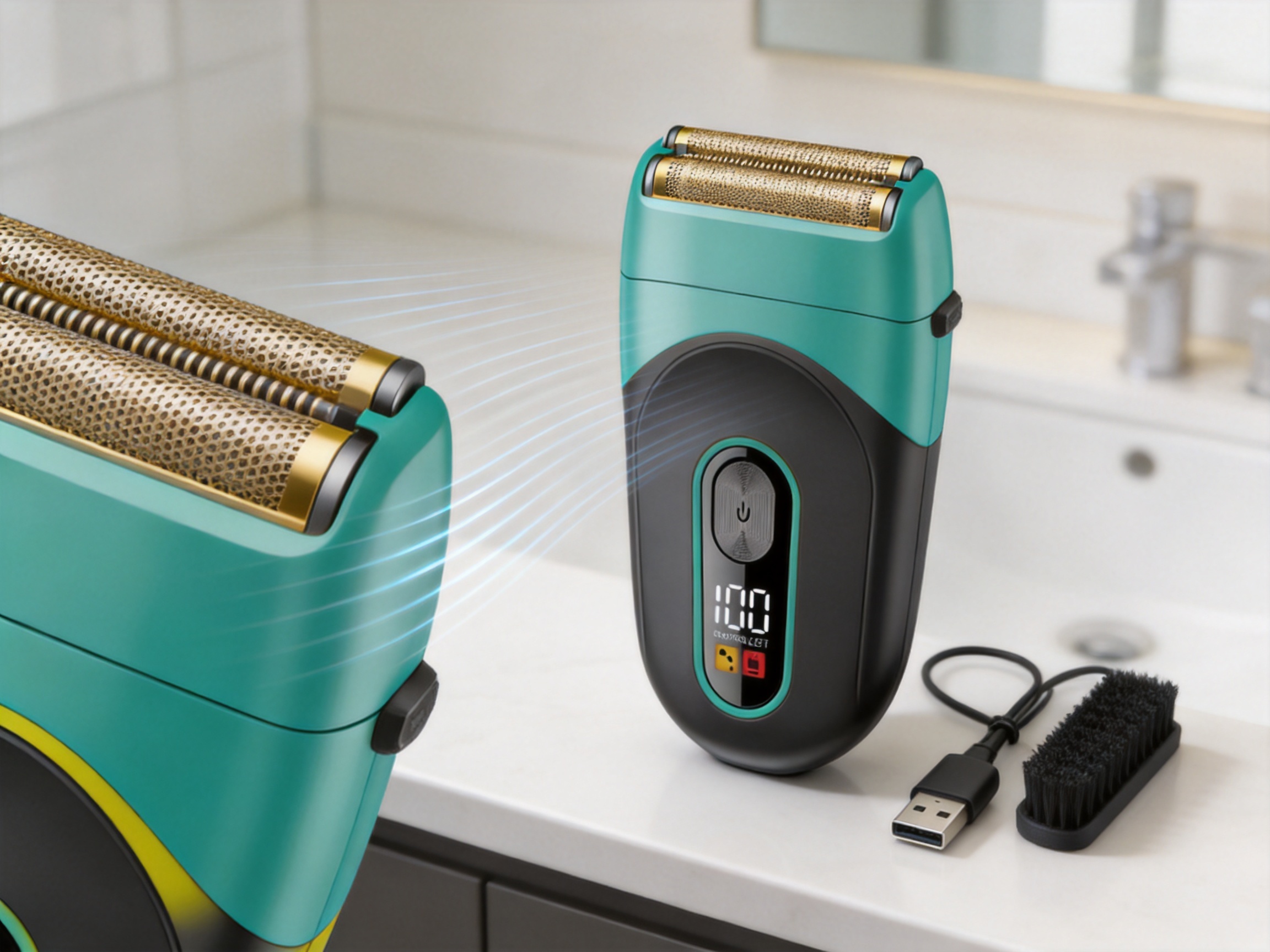
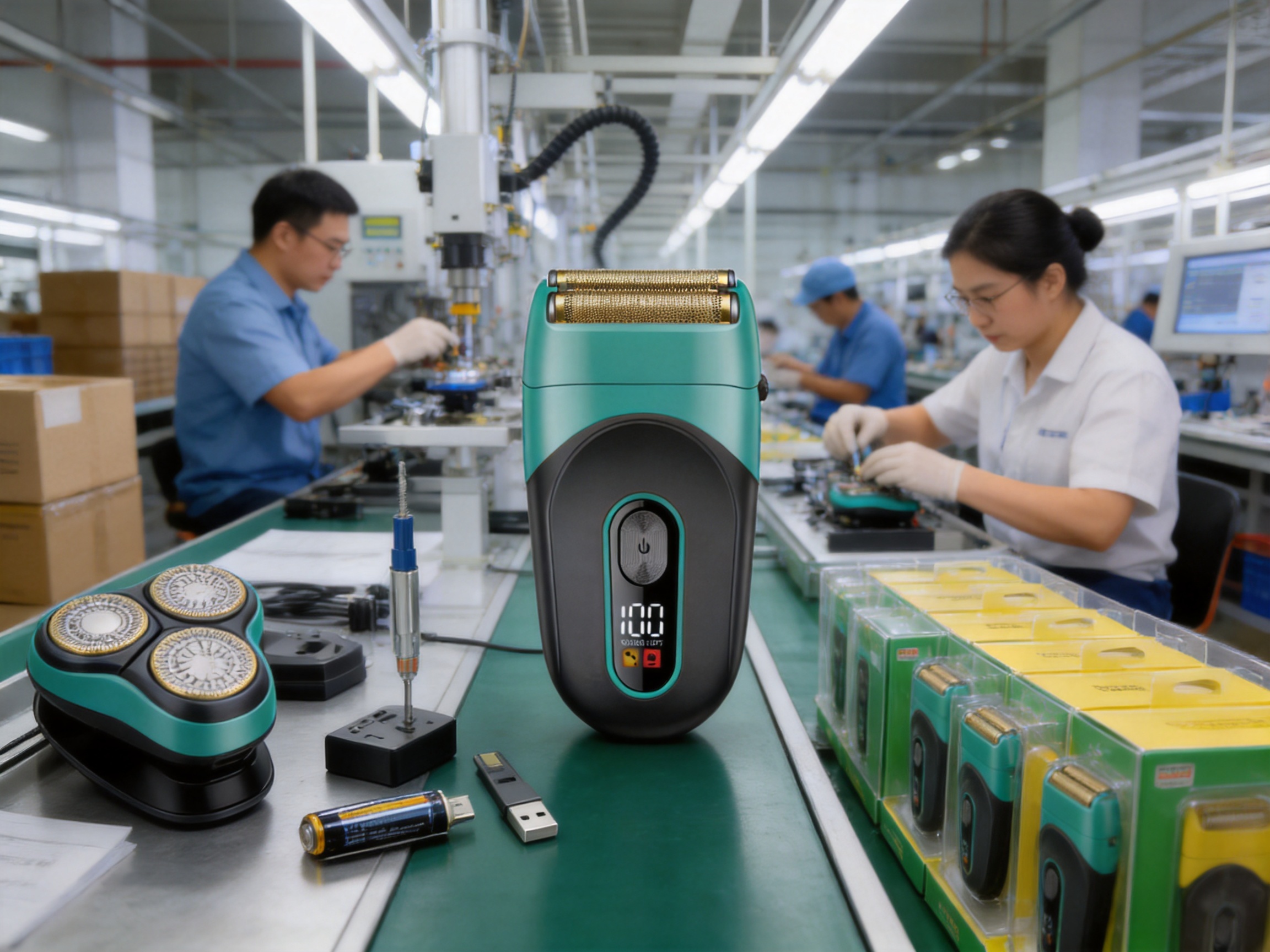
Electric shaving has evolved from a simple motorized alternative to the traditional razor into a carefully engineered personal-care experience. Today’s users expect more than basic hair removal. They look for close performance, comfortable skin contact, convenient charging, manageable maintenance, attractive design, and dependable everyday operation. The LT-863 Close-Fitting Skin-Safe Reciprocating Everyday Shaver is designed around these expectations, combining a reciprocating etched blade, a compact rechargeable power system, an efficient motor, and a user-friendly USB charging method in one practical grooming device.
Created for regular facial shaving, the LT-863 is positioned as an accessible electric shaver for people who want a close-fitting tool without the complexity, weight, or maintenance demands associated with many larger premium devices. Its 3.2-volt motor reaches 7,800 revolutions per minute, while the 14500 lithium battery provides up to 60 minutes of discharging time after approximately two hours of charging. With a power rating of 5 watts, a cleaning brush, and a USB cable included in the package, it is suitable for personal users, travel-oriented retailers, private-label brands, and distributors seeking a flexible OEM/ODM grooming platform.
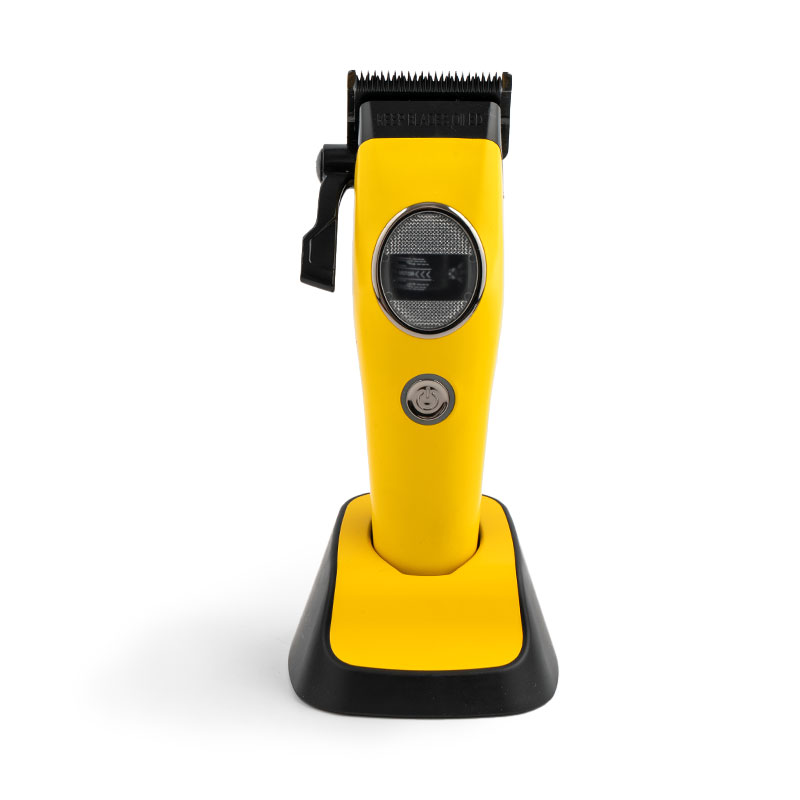
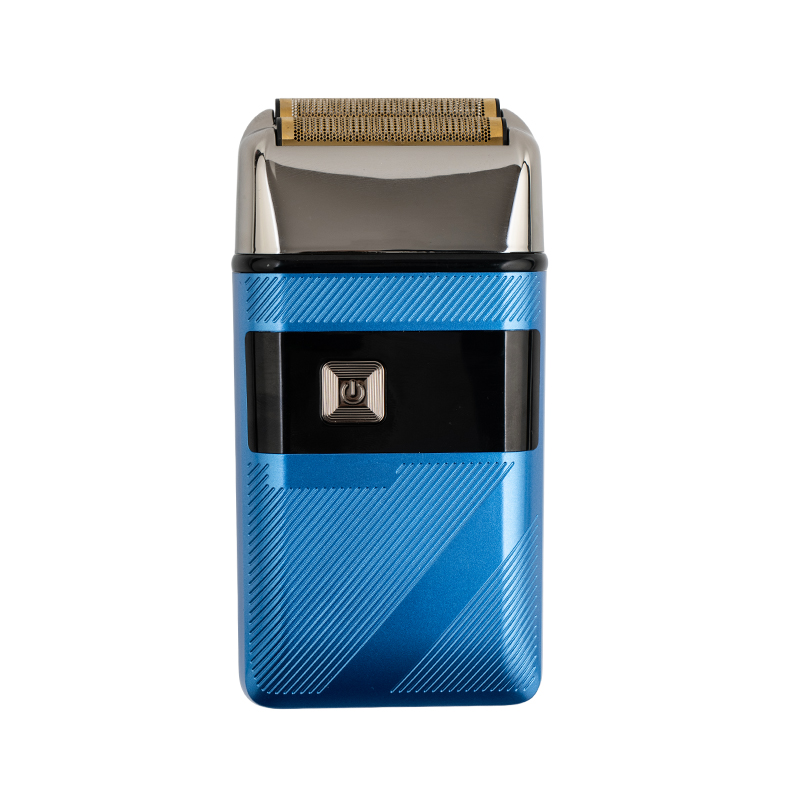
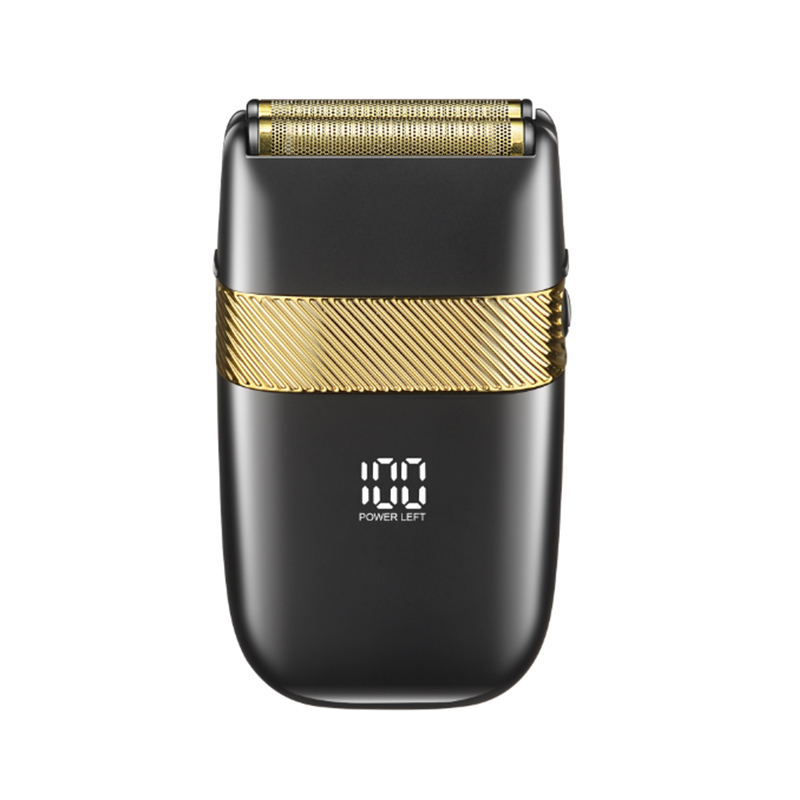
The product is available in green and yellow device colors. Its main body uses ABS, a widely adopted engineering plastic known for its balanced combination of toughness, light weight, and moldability. This material choice supports comfortable handling while also allowing manufacturers to create a compact and visually distinctive housing. The result is a shaver that can fit naturally into a daily grooming routine, a travel kit, a hotel amenity program, or a branded personal-care product range.
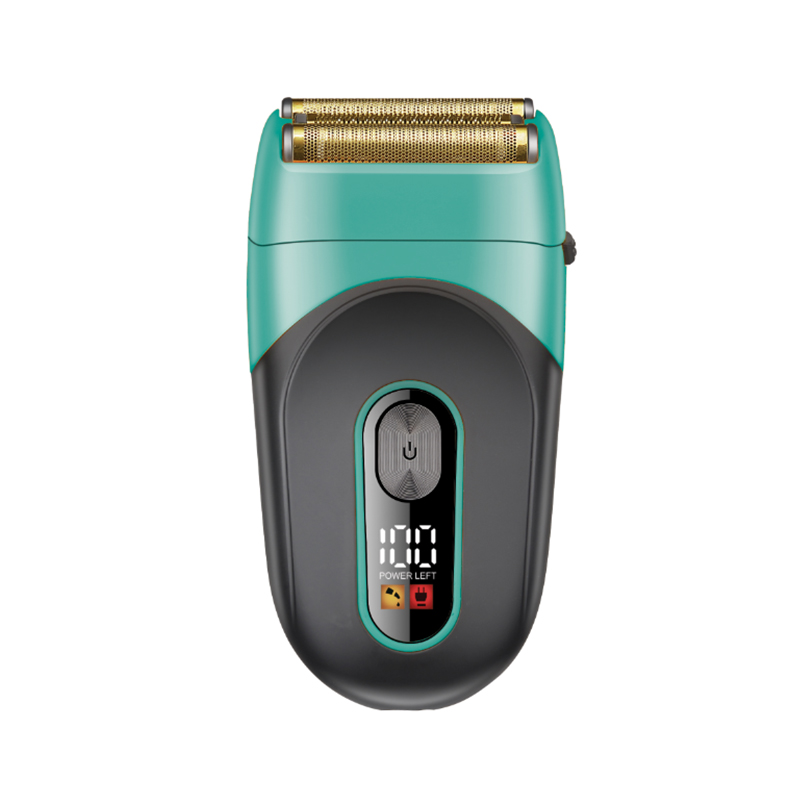
LT-863 Close-Fitting Skin-Safe Reciprocating Everyday Shaver
Understanding the LT-863 Product Concept
The LT-863 is a reciprocating electric shaver. Instead of using a circular rotary cutting system, it uses an etched blade that moves rapidly in a back-and-forth cutting action. This design is particularly appropriate for users who prefer the direct shaving sensation and close contact associated with foil-style or linear electric shavers. The cutter head is intended to pass over short facial hair while maintaining a controlled distance between the moving cutting surface and the skin.
The term “close-fitting” describes the product’s design objective: the shaving head is made to remain near the contours of the face so that the user can work around common areas such as the cheeks, chin, jawline, and upper lip. Close contact can help improve shaving consistency, especially when the device is moved slowly and methodically. Although no electric shaver eliminates the need for proper technique, a well-positioned cutting head can make the process more efficient than repeatedly passing a less stable device over the same area.
The LT-863 is also intended for everyday use. It is not presented as an oversized professional salon machine or a specialized heavy-duty clipper. Its value lies in balance: enough motor speed for routine facial shaving, a rechargeable battery for cordless operation, a relatively short charging cycle, and an uncomplicated accessory set. These features make the device easy to understand for first-time electric-shaver users and easy to position for businesses offering entry-level or mid-range personal-care products.
Core Product Specifications
| Specification | Details |
|---|---|
| Product Model | LT-863 |
| Product Type | Close-fitting reciprocating electric shaver |
| Available Colors | Green and yellow |
| Main Body Material | ABS |
| Cutter Head | Etched blade |
| Battery Model | 14500, 600 mAh |
| Motor Speed | 3.2 V, 7,800 RPM |
| Rated Power | 5 W |
| Charging Method | USB port |
| Charging Time | Approximately 2 hours |
| Discharging Time | Up to approximately 60 minutes |
| Included Accessories | Cleaning brush and USB cable |
| Packaging | Color box with blister small gift box packaging |
These specifications show how the LT-863 is configured for uncomplicated consumer use. A 600 mAh battery is suitable for a compact shaver because the product is designed for short, repeated grooming sessions rather than continuous commercial operation. The stated 60-minute discharge time gives users multiple shaving sessions between charges, depending on shaving duration, hair density, pressure, and operating conditions.
The two-hour charging period also contributes to practical usability. Users can place the shaver on charge during a normal daily routine and have it ready for later use. The USB charging format helps reduce dependence on a proprietary power adapter, making the product more convenient for households, offices, travel bags, and retailers that already stock USB-compatible charging equipment.
Close-Fitting Reciprocating Performance
The central advantage of the LT-863 is its reciprocating cutting structure. A reciprocating blade moves linearly at high speed, creating repeated cutting contact as the shaver travels across the face. This action can feel precise and direct, especially when the user follows the natural direction of the face and keeps the cutting head level against the skin.
The 7,800 RPM motor specification indicates a fast operating cycle for a compact personal-care device. Motor speed alone does not determine shaving quality, because performance also depends on blade geometry, assembly accuracy, surface finish, battery condition, and the user’s technique. However, a sufficiently fast motor helps the blade maintain a consistent cutting action during normal use. It can reduce the tendency of the cutter to hesitate when encountering short facial hair and can support a more even result across the cheeks and neck.
The etched blade is another important part of the design. Etching allows the cutting structure to be formed with controlled patterns and fine edges. In a shaver, the blade must balance sharpness with structural stability. A cutting edge that is too blunt may pull at hair, while a poorly supported edge may wear prematurely or create an inconsistent shaving feel. The etched-blade approach allows the manufacturer to create a repeatable cutting surface suitable for compact electric-shaver production.
Why Blade Contact Matters
Close skin contact is important because facial hair does not grow in exactly the same direction or at the same angle across the face. The cheeks, jaw, neck, and upper lip may require slightly different hand movements. A shaver that remains stable against the skin gives the user better control over the angle and pressure applied during each pass.
The LT-863 is intended to help users achieve this controlled contact without relying on excessive pressure. Pressing an electric shaver too firmly can cause discomfort and may reduce the ability of the cutting head to move smoothly over the skin. A better approach is to hold the device lightly, keep the head flat against the target area, and use short, deliberate movements where the hair is denser.
Compared with many low-cost devices that use poorly aligned cutting components or inconsistent motor output, a properly assembled reciprocating shaver can offer a more predictable daily experience. The competitive value of the LT-863 therefore comes not only from its nominal motor speed, but also from the combination of blade design, compact head geometry, housing stability, and production control.
Skin Comfort and Everyday Shaving
Skin comfort is one of the most important factors when comparing electric shavers. A device may offer a close shave, but if it creates excessive friction, pulls hair, or requires repeated passes, users may be less likely to use it consistently. The LT-863 is designed as a skin-conscious everyday shaver, with a cutting head intended to remain close to the face while supporting controlled movement.
Comfort depends on several factors. The condition of the blade is important, since a clean and properly maintained blade generally works more smoothly than one covered in hair or residue. The motor must also maintain consistent operation. In addition, the user should prepare the skin appropriately and avoid pressing the device aggressively. The LT-863’s compact format makes it easier to handle with a light grip, which can help users maintain appropriate pressure.
For best results, users should begin with a clean and dry face unless the product instructions specifically approve wet operation. Facial hair that is excessively long may be more difficult for a compact close-shaving head to process efficiently, so trimming longer growth before shaving can improve comfort and reduce repeated passes. After use, the cutter area should be brushed clean and stored in a dry location.
The phrase “skin-safe” should be understood as a design goal rather than a guarantee that every individual will experience identical results. Skin types differ, and some people may be more sensitive to electric shaving. A short test on a small area, moderate pressure, and gradual adaptation are sensible practices for new users. The manufacturer’s operating and care instructions should always take priority.
Designed for Repeated Personal Use
An everyday shaver needs to be convenient enough that users do not regard it as a complicated appliance. The LT-863 supports this objective with a simple control concept, a rechargeable power system, and a compact accessory set. Users do not need to purchase separate charging equipment for basic operation because a USB cable is included. The cleaning brush also gives them a dedicated tool for routine maintenance.
Its two available colors, green and yellow, add a visual distinction that is useful for both consumers and brands. These colors can appeal to customers who prefer a more expressive personal-care product instead of a conventional black or metallic device. For OEM and ODM customers, color selection can also become part of a broader packaging and product-positioning strategy.
Battery and USB Charging Convenience
The LT-863 uses a 14500/600 mAh battery. This cylindrical battery format is commonly associated with compact rechargeable electronic products and provides an appropriate power source for a portable shaver. The battery enables cordless operation, allowing the user to shave without remaining next to a wall outlet or carrying a bulky power adapter.
With an approximate two-hour charging time and up to 60 minutes of discharge time, the shaver is suitable for repeated short sessions. For example, a user who operates the device for several minutes at a time may be able to use it across many grooming sessions before recharging. Actual operating time will vary according to motor load, hair density, shaving pressure, battery age, temperature, and other conditions.
USB charging is a strong practical advantage in today’s connected environment. A USB cable can be used with many compatible power sources, including a computer, power bank, travel charging hub, or standard USB power adapter. This reduces the amount of equipment required for travel and can simplify inventory management for sellers that distribute the product in several markets.
The USB system also supports flexible product placement. A retailer can present the LT-863 as a home-use shaver, a travel grooming accessory, a gift item, or a compact personal-care product for younger consumers. Hotels, airlines, corporate gift suppliers, and subscription-box companies may also find the format useful when a rechargeable device is preferred over a disposable razor.
Managing Battery Life
Users can help preserve battery performance by avoiding unnecessary long-term storage in a completely discharged state. The shaver should be charged with a compatible USB power source and kept away from excessive heat and moisture unless the product has been specifically rated for exposure to those conditions. Cleaning the cutter head regularly can also support efficient motor operation because accumulated hair and residue may increase resistance.
For distributors and private-label customers, clear charging instructions should be included in the final user documentation. Instructions may explain the approximate charging time, recommended power source, cleaning process, and storage conditions. Good documentation reduces misuse and supports a more positive ownership experience.
Compact ABS Housing and Handling
The LT-863’s main body is made from ABS. Acrylonitrile butadiene styrene is widely used in consumer electronics because it can provide a useful balance of impact resistance, dimensional stability, surface quality, and manufacturing flexibility. It is also well suited to injection molding, allowing the housing to be produced in consistent shapes and colors when tooling and process controls are properly managed.
For a handheld shaver, the housing must do more than look attractive. It needs to protect internal components, support the motor and battery, provide a stable grip, and maintain alignment between the drive system and the cutter head. A compact ABS body can keep the overall product light enough for comfortable use while still providing a solid structure for daily handling.
The green and yellow color options demonstrate how the material and molding process can support product differentiation. Color is especially important in crowded personal-care markets, where a distinctive appearance can improve shelf recognition. For OEM customers, the available colors may serve as a starting point for customized production discussions involving additional colors, logos, packaging artwork, or market-specific product presentation, subject to manufacturing feasibility and order requirements.
Ergonomics in Practical Use
Ergonomics does not depend only on the shape of the handle. It also involves weight distribution, button placement, cutter-head positioning, surface texture, and the amount of force required to guide the device. A compact shaver should feel balanced in the hand so that users can move it over curved areas without excessive wrist adjustment.
The LT-863’s portable format is appropriate for users who value maneuverability. It can be used around the jawline and upper lip with relatively controlled movements, while the compact body is easy to place in a washroom cabinet or travel pouch. The design also makes it a practical option for retailers that want to offer a small personal-care appliance with a clear everyday use case.
Good ergonomics can create an advantage over larger devices that are powerful but cumbersome for quick maintenance shaving. It can also distinguish the product from extremely small novelty shavers whose motors and cutting systems may be less suitable for regular use. The LT-863 aims to occupy a middle position: portable and approachable, while still incorporating a defined motor, rechargeable battery, and etched cutting head.
Maintenance and Cleaning
Regular cleaning is necessary for any electric shaver. Hair fragments, skin particles, and natural oils can collect around the cutter head during use. If these materials remain in place, they may affect cutting performance, create additional friction, and contribute to unpleasant odors. The LT-863 includes a cleaning brush to make routine dry cleaning more convenient.
After switching off the shaver, the user can follow the supplied instructions to remove or access the cutter head as designed, then brush away loose hair. The brush should be used carefully so that the cutting surface is not bent or damaged. Users should not introduce liquid into the device unless the product is specifically approved for washing. The USB charging port should be kept dry and protected from contaminants.
Maintenance is also important from a business perspective. Retailers and distributors benefit when a product has a straightforward care routine that can be explained on packaging or in a user manual. A simple maintenance process can reduce avoidable complaints and help users obtain more consistent performance throughout the product’s service life.
Where applicable, the blade and cutter assembly should be inspected periodically for signs of damage, deformation, or unusual noise. A sudden change in sound, vibration, or cutting behavior may indicate that the device needs cleaning or professional evaluation. Users should stop operating a damaged unit and follow the manufacturer’s service guidance rather than attempting unsafe repairs.
Advantages in Comparison with Common Alternatives
The LT-863 competes in a broad market that includes manual razors, rotary electric shavers, foil-style shavers, beard trimmers, and low-cost rechargeable grooming devices. Each category has its own use case. The LT-863’s advantages are most apparent for users who want a close-fitting electric shaver with a linear reciprocating action and convenient cordless operation.
Compared with Manual Razors
Manual razors can deliver a very close shave, but they require replacement blades, shaving products, and careful handling. Some users experience irritation from direct blade contact, especially when shaving frequently or applying excessive pressure. An electric shaver such as the LT-863 provides a reusable powered alternative that can be used without purchasing disposable razor cartridges for every replacement cycle.
The electric format can also be more convenient for quick touch-ups. The user can pick up the charged device, switch it on, and begin shaving without preparing foam or water, provided that the product is used according to its instructions. This may be valuable for commuters, travelers, and people who prefer a faster morning routine.
Compared with Rotary Shavers
Rotary shavers use circular heads and are often selected for users who prefer a flexible, multidirectional shaving motion. Reciprocating shavers offer a different experience. Their linear movement can feel more precise for users who prefer to guide the device in straight or short controlled passes. The LT-863 is therefore attractive to consumers who want a direct foil-style shaving approach in a compact form.
Neither system is universally superior for every face or hair type. The competitive strength of the LT-863 is that it clearly serves the segment that values a reciprocating blade, close-fitting head, compact body, and uncomplicated operation. A focused product concept can be more useful than a device that attempts to serve every possible grooming function without optimizing any single experience.
Compared with Basic Trimmers
Beard trimmers are primarily designed to maintain or shape longer hair at selected lengths. They may not be optimized for achieving a close facial finish. The LT-863 is designed specifically as a shaver, making it more appropriate for users who want to reduce short facial hair close to the skin rather than maintain a beard at a particular length.
This distinction is important for product positioning. A trimmer may be marketed around length control, styling, and beard shaping, while the LT-863 can be promoted around daily shaving, facial neatness, portability, and close-fitting performance. Retailers can offer both categories in a grooming portfolio without treating them as identical products.
Compared with Low-Cost Rechargeable Devices
Very inexpensive rechargeable shavers may appear attractive because of their low purchase price, but consumers and distributors may encounter inconsistent motor performance, limited battery information, difficult cleaning, or weak packaging. The LT-863 offers a more clearly specified configuration, including the motor speed, battery model, charging time, discharge time, power rating, cutter type, and included accessories.
Clear specifications make it easier for business customers to evaluate the product, prepare listings, communicate with buyers, and compare different product configurations. The inclusion of a cleaning brush and USB cable also means that the device arrives with the basic items needed for immediate use, rather than requiring multiple additional purchases.
Manufacturing Strengths of Yuyao Laituo Electric Appliance Co., Ltd.
The LT-863 is manufactured by Yuyao Laituo Electric Appliance Co., Ltd., a personal-care electrical appliance company based in Yuyao Industrial Park in Ningbo, China. Yuyao is widely associated with mold manufacturing and has access to a developed local industrial ecosystem. This regional foundation is valuable for a company producing molded housings, precision components, electronic assemblies, and finished grooming devices.
Laituo focuses on hair clippers, electric shavers, and body trimmers. Its business model integrates research and development, production, and sales, allowing the company to coordinate product development with manufacturing requirements. This integrated structure can shorten communication paths between design personnel, production teams, quality staff, and customers seeking customized solutions.
The company covers approximately 1,000 square meters and has nearly 100 employees. It operates automated production lines and uses precision testing equipment. These resources support a full-process production capability extending from design and development to finished-product assembly. For OEM and ODM customers, this type of structure is important because successful private-label manufacturing requires more than the ability to assemble a product. It requires coordination of industrial design, tooling, component selection, process engineering, testing, packaging, and delivery.
Importance of the Local Molding Ecosystem
A shaver housing may appear simple from the outside, but its production depends on accurate tooling. The internal space must accommodate the motor, battery, circuit components, charging interface, switch structure, and cutter-head connection. If the molded parts are inconsistent, assembly may become difficult or the final product may experience looseness, misalignment, or unwanted noise.
Being located in an area known for mold manufacturing can give a personal-care appliance producer access to specialized suppliers and technical resources. It may also support faster adjustment during product development. When a customer requests a housing change, color update, logo treatment, or packaging variation, close coordination with tooling and molding partners can improve the feasibility of implementing the change.
For the LT-863, the ABS housing and color options show how molding capability contributes directly to the finished product. A reliable molding process helps maintain the intended shape, surface quality, fit, and appearance from one production batch to the next.
Automated Production and Assembly Control
Automated production lines can improve repeatability in tasks that benefit from consistent positioning, fastening, dispensing, or inspection. In a compact shaver, repeatability is important because the motor, blade drive, battery, and housing must work together within a limited internal space. Small assembly differences can influence vibration, noise, charging behavior, and cutting performance.
Automation does not replace skilled engineering or quality management. Instead, it works best when supported by clear process standards, trained operators, suitable fixtures, and inspection procedures. Laituo’s stated combination of automated production and precision testing equipment reflects an effort to control the manufacturing process from component preparation through finished-device evaluation.
A controlled production environment can also help OEM/ODM customers maintain consistency across repeat orders. Brand owners need the product they receive in a later shipment to match the appearance and basic performance of earlier batches. Process documentation, approved samples, incoming-material controls, assembly standards, and final inspection all contribute to this goal.
Testing and Quality Assurance
Testing is essential for a rechargeable grooming device because the product combines mechanical movement, electrical power, battery charging, and consumer contact. A quality assurance program may include inspections of appearance, dimensions, charging behavior, motor operation, switch function, cutter-head alignment, noise, vibration, and packaging completeness.
The specific testing plan should be defined according to the product design, destination market, customer requirements, and applicable standards. The company states that its products have passed CE and RoHS certifications. These certifications are significant for international distribution because they address regulatory and material-compliance expectations in relevant markets. However, customers should confirm the exact certification scope and documentation for the particular model and sales region.
RoHS-related compliance supports responsible control of restricted substances in applicable electrical and electronic products. CE marking relates to conformity with applicable European requirements when the product is placed on relevant markets. Together with factory-level inspection, such documentation can help importers and distributors prepare their own compliance files and product records.
OEM and ODM Potential
The LT-863 can serve as a ready product for distributors, but it can also function as a platform for customized grooming programs. Laituo identifies OEM and ODM solutions as a core business strength. OEM production generally involves manufacturing a product according to a customer’s brand, packaging, and commercial requirements. ODM work may involve adapting an existing design or developing a product solution around a customer’s market concept.
For a product such as the LT-863, customization possibilities may include exterior color, logo application, packaging artwork, instruction materials, accessory presentation, carton configuration, and market-specific labeling. Depending on technical feasibility and order volume, customers may also discuss adjustments to the housing, cutter-head configuration, battery presentation, or user-interface details.
OEM and ODM customers should define requirements early. Important details include target market, sales channel, required certifications, order quantity, packaging language, shipping carton specifications, logo files, color references, inspection standards, warranty expectations, and delivery schedule. Early clarification helps prevent changes late in production, when modifications may affect tooling, materials, or packing arrangements.
The standard packaging method for the LT-863 is a color box with blister small gift box packaging. This format is suitable for retail display because it combines product protection with visual presentation. It can also be useful for promotional campaigns and gift-oriented sales channels. Customers may discuss whether the standard package is appropriate for their market or whether customized artwork and labeling are required.
Support for International Customers
Laituo has independent export rights, and its products are sold to more than 30 countries and regions across Europe, America, South America, and other markets. International experience can help a manufacturer understand the practical requirements of overseas business, including export documentation, packaging coordination, communication across time zones, and product adaptation for different distribution channels.
For buyers, international cooperation is most effective when technical specifications are documented clearly. A product data sheet should distinguish confirmed specifications from optional features. It should also identify the included accessories, package contents, charging requirements, color availability, and any operating limitations. Clear information supports accurate marketing and reduces the risk of product claims that exceed the actual configuration.
Packaging, Retail Presentation, and Product Positioning
Packaging is part of the product experience. A color box with blister packaging allows a retailer or customer to see the product while keeping it organized and protected. The visual presentation can highlight the green or yellow body, compact form, rechargeable function, and included accessories.
For retail listings, the product can be positioned around several clear messages: close-fitting reciprocating shaving, a 7,800 RPM motor, USB charging, up to 60 minutes of stated discharge time, and a compact ABS body. These points should be presented accurately and accompanied by practical information about charging, cleaning, and intended use.
For online commerce, product photography and specification tables should show the actual device, cutter-head area, USB cable, cleaning brush, and packaging. Buyers often compare several similar products quickly, so concise but complete information can help the LT-863 stand out. The green and yellow color choices can also be used to create separate product options or coordinated gift sets.
For professional buyers, packaging efficiency may be as important as retail appearance. Export cartons should protect the color boxes during transportation, and the number of units per carton should be confirmed during order planning. Packaging materials, labels, barcodes, manuals, and shipping marks should be reviewed before mass production.
Recommended User Routine
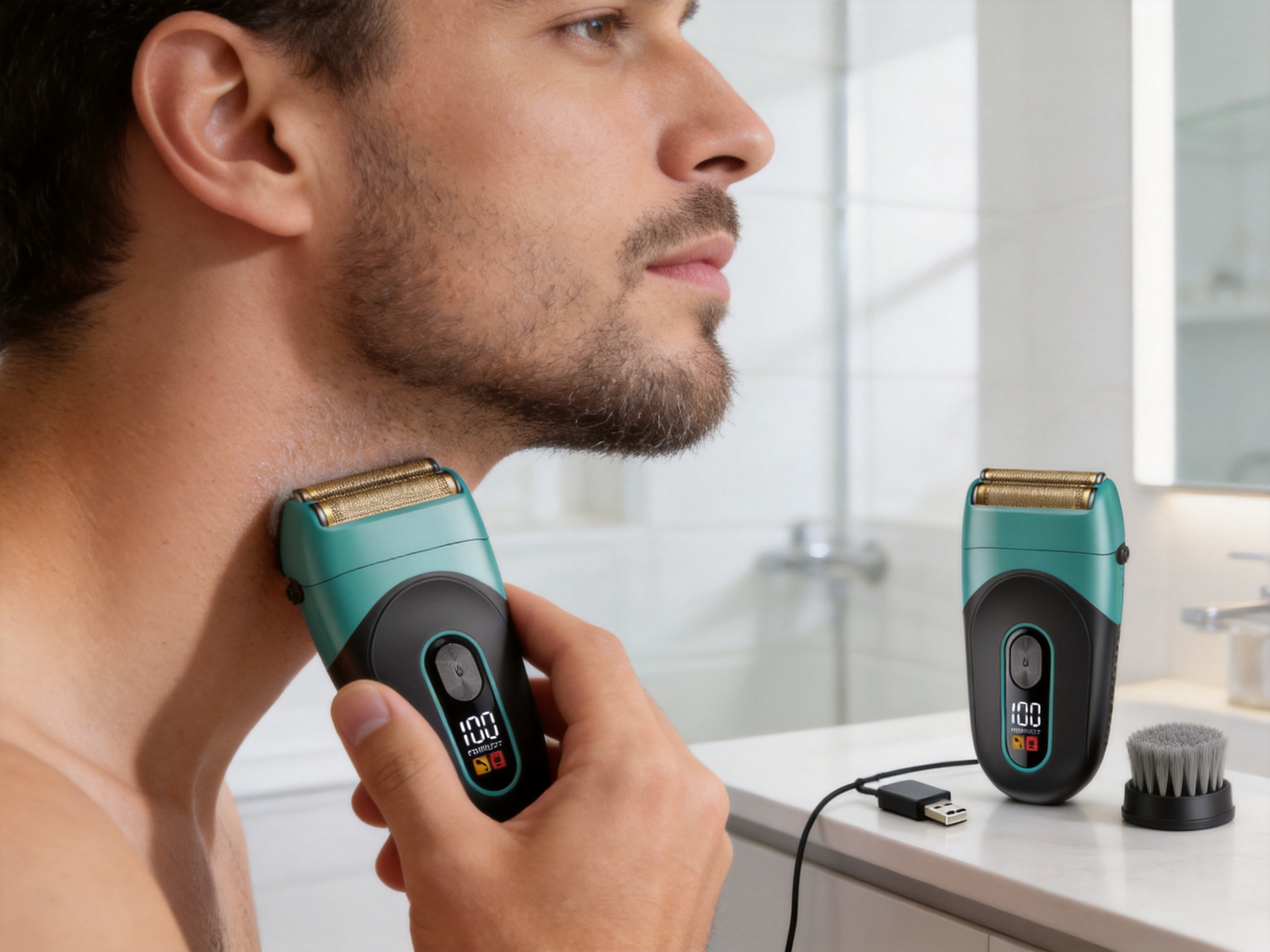
A consistent routine can help users obtain better results from the LT-863. Before shaving, the user should check that the device has sufficient battery power and that the cutter head is clean. If facial hair is longer than the shaver is designed to handle comfortably, preliminary trimming may be helpful. The user should then hold the device lightly and move it across the face in controlled passes.
Flat areas such as the cheeks are usually straightforward. The user can maintain gentle contact and move the shaver slowly enough for the cutting system to work effectively. Around the jawline and chin, shorter movements may provide better control. The upper lip and other detailed areas may require reduced pressure and careful positioning.
After shaving, the user should turn off the device before cleaning. Loose hair can be removed with the supplied brush. The shaver should be stored in a clean, dry place, with the cutter head protected from unnecessary impact. The USB cable should be kept in good condition, and charging should be performed with a compatible power source.
Users should not share a personal shaver without appropriate cleaning and sanitation procedures. They should also avoid using the device on irritated, injured, or inflamed skin. Anyone with persistent discomfort should stop use and seek appropriate professional advice.
Business Value for Distributors and Retailers
The LT-863 has several characteristics that can be useful in a distributor’s product portfolio. It belongs to a large and recognizable personal-care category, has a simple operating concept, includes its essential charging cable and cleaning brush, and can be offered in two visually distinct colors. Its compact format may also reduce storage and display requirements compared with larger grooming appliances.
The product can be sold through electronics retailers, personal-care stores, general merchandise channels, travel-accessory stores, online marketplaces, promotional-gift suppliers, and private-label grooming brands. Its broad use case does not depend on a highly specialized customer segment. Men seeking regular facial shaving may be the primary audience, while travelers, students, office workers, and gift buyers may also find the product relevant.
For retailers, the product’s specifications provide several easy-to-understand selling points. The 7,800 RPM motor communicates operating capability, the 60-minute discharge time communicates cordless convenience, and the two-hour charging time communicates reasonable readiness. The USB port communicates compatibility with common charging environments. The cleaning brush communicates that maintenance has been considered as part of the ownership experience.
For distributors seeking private-label products, the manufacturer’s integrated R&D and production capabilities may simplify supplier coordination. Instead of working with separate companies for design, molding, assembly, and export preparation, a customer may be able to coordinate the project through one manufacturing partner. The exact level of customization and service should be confirmed during technical and commercial discussions.
Responsible Product Communication
Effective marketing should describe the LT-863 confidently but accurately. It is appropriate to emphasize close-fitting reciprocating performance, compact rechargeable operation, etched-blade construction, USB charging, and included maintenance accessories. It is also appropriate to explain that shaving results depend on hair type, skin condition, preparation, technique, and regular cleaning.
Marketing materials should avoid promising identical results for every user or presenting the device as a medical product. The term “skin-safe” should be supported by practical instructions that encourage gentle handling and proper maintenance. If a customer intends to sell the product in a regulated market, the final claims, labels, and manuals should be reviewed for compliance with local requirements.
Responsible communication benefits both the buyer and the manufacturer. When a product is presented according to its actual design and tested capabilities, customers are more likely to choose it for the right reasons. This can improve satisfaction, reduce misuse, and support long-term confidence in the supplier relationship.
Frequently Asked Questions
What type of shaver is the LT-863?
The LT-863 is a reciprocating electric shaver designed for close-fitting everyday facial shaving. It uses an etched blade and a compact rechargeable motor system.
What is the motor speed?
The motor is specified at 3.2 volts and 7,800 RPM. Actual operating behavior can vary according to battery charge, shaving pressure, hair density, and mechanical load.
How long does the battery take to charge?
The stated charging time is approximately two hours. Users should follow the supplied charging instructions and use a compatible USB power source.
How long can the shaver operate after charging?
The stated discharging time is up to approximately 60 minutes. Actual use time may vary according to operating conditions, shaving habits, battery age, and product maintenance.
What battery does the product use?
The LT-863 uses a 14500/600 mAh battery configuration.
How is the LT-863 charged?
The shaver charges through a USB port, and one USB cable is included in the package. A compatible USB power source is required.
What accessories are included?
The standard package includes a cleaning brush and a USB cable. Buyers should confirm the final package contents for customized orders.
What colors are available?
The standard device colors are green and yellow. Additional customization may be discussed with the manufacturer, subject to production requirements and order conditions.
What material is used for the main body?
The main body is made from ABS, a lightweight and moldable engineering plastic commonly used in consumer electronic housings.
Is the LT-863 suitable for travel?
Its compact rechargeable design and USB charging method make it suitable for many travel situations. Users should protect the device from moisture, impact, and extreme temperatures during transport and should verify any destination-specific charging requirements.
Can the LT-863 replace a beard trimmer?
The LT-863 is designed for close shaving rather than maintaining a specific beard length. It may complement a beard trimmer, but the two products serve different primary purposes.
How should the shaver be cleaned?
The supplied cleaning brush can be used to remove loose hair from the cutter area after the device has been switched off. Users should follow the product instructions and avoid liquid exposure unless the model is specifically approved for washing.
Who manufactures the LT-863?
The LT-863 is manufactured by Yuyao Laituo Electric Appliance Co., Ltd., a Chinese personal-care electrical appliance company specializing in hair clippers, electric shavers, body trimmers, and related OEM/ODM solutions.
Does the manufacturer support OEM and ODM orders?
Yes. The company provides OEM/ODM grooming-device solutions. Potential customization may include colors, logos, packaging, instructions, and other product or presentation details, depending on feasibility and order requirements.
What certifications does the company state its products have passed?
The company states that its products have passed CE and RoHS certifications. Importers and distributors should request model-specific documentation and confirm the requirements applicable to their destination market.
Conclusion
The LT-863 Close-Fitting Skin-Safe Reciprocating Everyday Shaver is built around a clear and practical product concept. It combines a fast 7,800 RPM motor, an etched reciprocating blade, a 14500/600 mAh rechargeable battery, USB charging, a compact ABS housing, and a simple accessory package. These elements support users who want a close-fitting electric shaver for regular facial grooming without a complicated operating system.
Its competitive strengths include linear reciprocating performance, portable cordless use, an approximately two-hour charging period, up to 60 minutes of stated discharge time, and maintenance support through the included cleaning brush. The green and yellow color options provide additional visual differentiation for both retail customers and private-label brands.
The product is also supported by the manufacturing capabilities of Yuyao Laituo Electric Appliance Co., Ltd. The company combines R&D, production, sales, automated manufacturing lines, precision testing equipment, local molding-industry resources, and international export experience. Its stated CE and RoHS certifications, OEM/ODM services, and presence in more than 30 countries and regions further support its role as a potential supplier for global personal-care businesses.
For consumers, the LT-863 offers a straightforward tool for everyday close shaving. For distributors, it provides a clearly specified product with practical retail features. For OEM and ODM customers, it offers a foundation for customized grooming programs supported by an integrated manufacturing partner. When used with appropriate technique, regular cleaning, and accurate product expectations, the LT-863 represents a balanced solution in the compact electric-shaver category.
References
1. Product specification sheet for the LT-863 Close-Fitting Skin-Safe Reciprocating Everyday Shaver, including battery, motor, cutter-head, charging, packaging, and accessory information.
2. Manufacturer profile of Yuyao Laituo Electric Appliance Co., Ltd., including company capabilities, production resources, product categories, export experience, and OEM/ODM services.
3. General principles of electric-shaver design, including reciprocating cutter systems, motor operation, blade maintenance, and user handling practices.
4. General guidance for rechargeable consumer electronic products, including USB charging, battery care, storage, and routine maintenance.
5. General conformity and material-compliance considerations associated with CE and RoHS requirements for applicable electrical and electronic products.
Product: LT-863 Close-Fitting Skin-Safe Reciprocating Everyday Shaver

+86-574-62151741
+86-13655842900
laituo@google.com
No. 22 Liufang Road, Yuyao Industrial Park, Ningbo City, China
Copyright © Yuyao Laituo Electric Appliance Co., Ltd. All Rights Reserved
OEM/ODM Hair Removal Tool Epilator Manufacturers
